The Advantages of Choosing Flat Roofing for Your Property
Flat roofing functions as a practical alternative for many property owners. Its layout permits for efficient use of supplies and space. Lower costs and maintenance requirements upfront make it progressively desirable. Furthermore, flat roofs can boost thermal performance and eco-friendliness. However, false beliefs often hinder their strengths. Understanding these aspects can help residents make well-informed determinations about their roofing selections. What positive outcomes might flat roofing offer to your property?
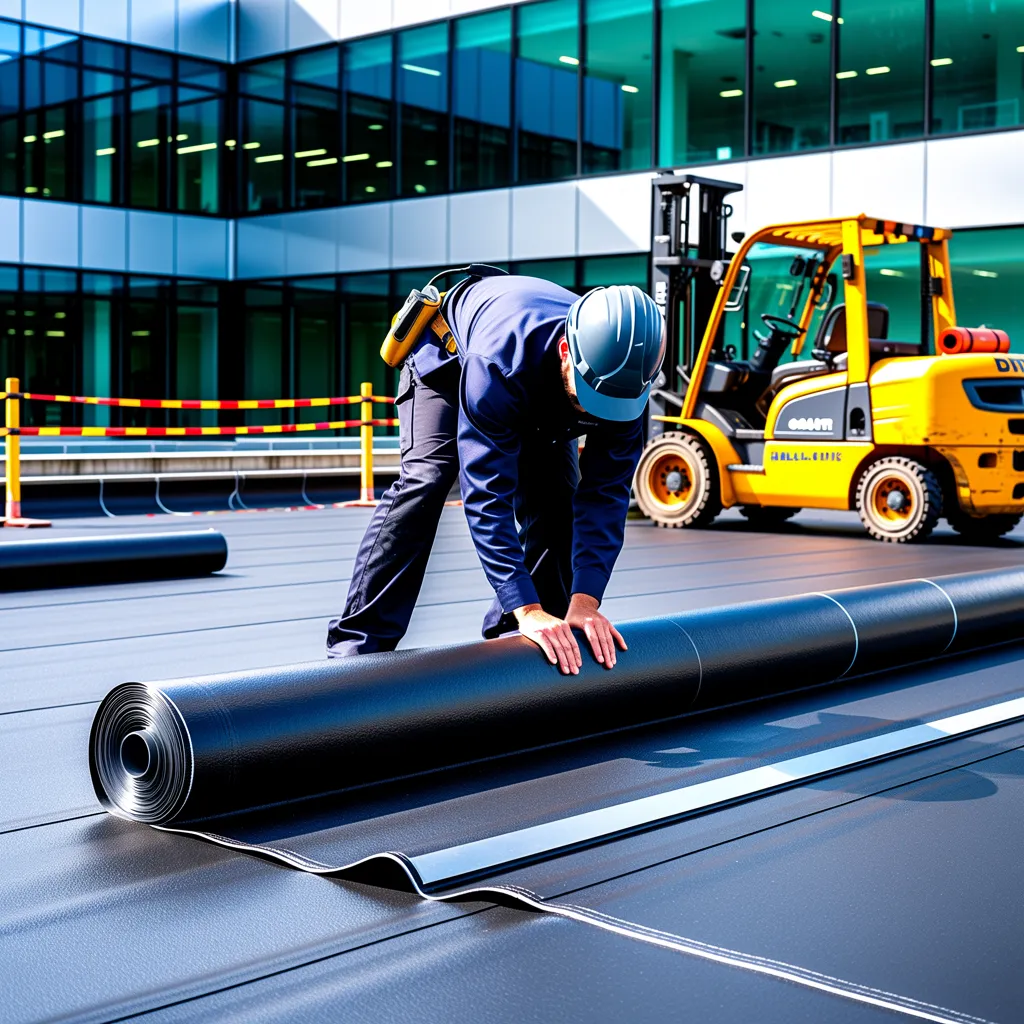
Why Evaluate Flat Roof Options for Your Building?
When evaluating roofing options, property owners may find that flat roofing offers notable advantages. One important benefit is affordability. Flat roofs generally require fewer materials than sloped designs, resulting in lower installation expenses. Additionally, maintenance is likely to be more simple, enabling for easier access during inspections and repairs.
An additional advantage is found in durability. Many flat roofing materials, like TPO or EPDM, are designed to endure harsh weather conditions, providing long-lasting protection. This strength can decrease the number of replacements or repairs, further boosting cost savings over time.
Furthermore, flat roofs can streamline the installation of power-saving equipment, including solar panels or green roofs, which may lead to sustained energy cost reductions. In summary, level roof construction offers property owners a practical solution that balances functionality, longevity, and potential economic benefits, making it a valuable option for different building categories.
Boost Area With Flat Roofs
Flat roofs provide exceptional opportunities for maximizing usable space in both residential and commercial properties. Unlike traditional pitched roofs, flat roofs supply a versatile area that can be applied for multiple applications. Rooftop gardens, outdoor platforms, and outdoor lounges can boost the visual charm and utility of a building, producing extra leisure environments.
Within business environments, flat roofs can contain HVAC systems, solar panels, or even green roofs, enhancing energy efficiency and sustainability. Additionally, the flat surface provides more convenient access and maintenance compared to sloped roofing systems.
This structure also facilitates the creation of upward additions, such as additional stories or rooftop offices, without compromising the existing footprint of the property. By taking advantage of the flat roof's capabilities, property owners can significantly enhance both their usable space and property value, making it a strategic choice for maximizing utility and pleasure.
Affordable Level Roofing Options
Even though abundant roofing options are presented, budget-friendly flat roofing solutions excel for their affordability and usefulness. Different materials can be used, including modified bitumen, PVC, and EPDM rubber, each providing special benefits at fair prices. Modified bitumen, as an example, is acknowledged for its resilience and straightforward installation, making it a attractive option for cost-aware property owners.
PVC roofs, while slightly pricier, present superior energy efficiency and lasting performance, consequently cutting down extended costs. EPDM rubber is another popular choice, treasured for its robustness and minimal upkeep needs.
These materials not only minimize initial expenses but also assist in saving power, leading to further savings on energy costs. By choosing the right flat roof solution, property owners can achieve a balance between expense and performance, ensuring a economically sound investment that fulfills their needs successfully.
Easily Preserve Your Flat Roof
Maintaining a flat roof can be simple, particularly when using cost-effective materials like modified bitumen, PVC, or EPDM rubber. These materials are built to last and require minimal maintenance, making them perfect for property owners seeking long-term solutions. Regular inspections are essential, allowing for the prompt detection of potential issues such as pooling water or debris accumulation.
Cleaning the area periodically guarantees that drains and gutters remain clear, preventing water damage and prolonging the roof's lifespan. Additionally, applying a protective coating can improve protection to UV rays and extend the roof's longevity.
Rather than sloped roofs, flat roofs grant better access for maintenance duties, reducing the chance of problems during repair and inspection work. Fundamentally, the ease of maintaining a flat roof, along with the proper materials, can deliver important savings and peace of mind for property owners.
Power Efficiency and Sustainability
Strengthening energy efficiency and environmental stewardship is a notable merit of flat roof solutions. These installations regularly showcase elements that reflect sunlight, reducing heat absorption and lowering cooling costs during peak heat months. This trait leads to less reliance on air conditioning, which can greatly lessen energy output and related expenditures.
Also, flat roofs can be provided with insulation materials that enhance thermal performance, supporting a pleasant interior atmosphere. The capacity to introduce green roofing technologies further enhances sustainability. By curtailing thermal buildup in urban areas, flat roofs help achieve superior air standards and reduced energy use.
Moreover, flat roofing is commonly simpler to service and repair, which can produce extended durability and reduced debris. Overall, the energy-efficient and environmentally responsible aspects of flat roofing systems make them an attractive choice for eco-conscious property owners seeking to lower their environmental impact while enjoying financial advantages.
Versatile Uses: Rooftop Green Spaces and Solar Panels
Flat roofs deliver unique opportunities for creative applications, such as rooftop gardens and solar panels. Rooftop gardens not only enhance aesthetics but also supply insulation and promote biodiversity. Meanwhile, the deployment of solar panels on flat roofs maximizes energy efficiency, harnessing sunlight efficiently to reduce utility costs.
Rooftop Garden Improvements
Rooftop gardens present substantial advantages, effortlessly weaving nature into urban spaces. These cultivated zones elevate visual appeal, changing unremarkable rooftops into vibrant sanctuaries. They also supply crucial environmental benefits, including boosting air quality and minimizing urban heat via organic insulation. In addition, rooftop gardens can work as flexible locations, offering areas for rest, community events, or even urban farming. They support biodiversity by developing habitats for numerous species, bolstering ecological equilibrium throughout city regions. Additionally, these gardens can assist in stormwater runoff management, decreasing flooding hazards. In conclusion, the incorporation of rooftop gardens represents a renewable method that boosts both property value and the quality of life for urban residents.
Solar Panel Efficiency
Many homeowners and companies are increasingly acknowledging the effectiveness of solar panels as a powerful tool for renewable energy generation. Flat roofs offer an optimal surface for solar panel installation because of their unobstructed exposure to sunlight. This placement enables peak performance, maximizing energy capture all day long. Additionally, the smooth surface of flat roofing allows for easier upkeep and installation versus sloped roofs. The integration of solar panels can considerably reduce energy costs, making properties more sustainable. Also, combining solar panels and rooftop gardens increases insulation and cuts urban heat, illustrating the versatility of flat roofing. Finally, the integration of solar energy with flat roofs promotes environmental sustainability and yields financial rewards.
Frequent Myths About Flat Roofing - What Should You Understand?
What misconceptions encompass flat roofing? Many property owners think that flat roofs are susceptible to leaks and require more maintenance than sloped roofs. However, modern materials and technology have considerably enhanced their strength and water resistance. Another common myth is that flat roofs lack aesthetic appeal. In reality, they offer flexibility in design and can support rooftop gardens or solar panels, enhancing both functionality and appearance. Some also contend that flat roofs cannot handle heavy snow or rain. In truth, proper drainage systems can efficiently manage these conditions. Finally, there is a belief that flat roofing is less energy-efficient. When installed correctly with adequate insulation, flat roofs can provide excellent energy savings. By debunking these myths, property owners can make informed decisions about the benefits and practicality of flat roofing solutions.
Frequently Asked Questions
What length of time can you expect from a flat roof?
A flat roof generally lasts between 15 to 30 years, based on materials used, installation quality, and maintenance. Regular checks and timely repairs can extend its lifespan considerably beyond the average duration.
Which Options Work Best for Flat Roof Installation?
The best materials for flat roofing consist of PVC, TPO, EPDM rubber, and modified bitumen. Each provides special advantages, such as durability, improved performance, and weather protection, making them preferred options for multiple applications.
Is it possible to set up a level roofing by myself?
Undertaking a flat roof independently is viable for those with competent skills and knowledge. However, it involves deliberate planning, fitting resources, and submission to local building codes to guarantee strength and safety throughout the installation process.
What is the way flat roofs deal with intense rainfall?
Flat roofs manage heavy rain through efficient water management solutions, including internal gutters and scuppers. Correct setup and upkeep are essential to prevent pooling and potential water damage, ensuring longevity and functionality in adverse weather conditions.
What Are the Top Runoff Options for Flat Roofs?
Effective drainage solutions for flat in-depth guide roofs include internal drains, scuppers, and tapered insulation. These methods promote water flow towards designated drainage points, avoiding ponding and potential structural damage from accumulated water during heavy rainfall.